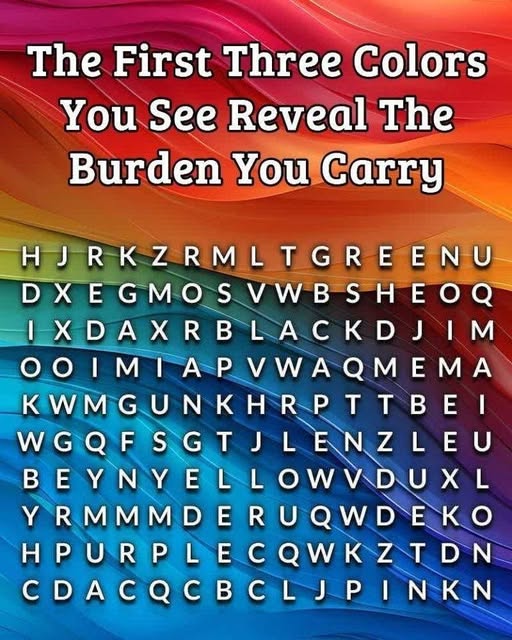
Purple has long been connected to confidence, independence, and self-assurance.
If your eyes went to purple, you likely intimidate others with your sense of personal authority.
You know your worth. You set boundaries. You don’t chase validation.
That kind of inner certainty can make insecure individuals uncomfortable. But it also earns you quiet admiration.
You don’t demand attention — you naturally draw it.
💗 If You Saw PINK
Pink often represents empathy, emotional intelligence, and warmth.
If you saw pink first, you might intimidate people in a surprising way.
You are kind — but not naïve. Compassionate — but not easily manipulated.
You understand emotions, including your own, and you’re not afraid to express them clearly.
That emotional awareness can make people who struggle with vulnerability feel slightly uneasy. You don’t tolerate emotional games, and that boundary-setting energy can feel strong.
💙 If You Saw BLUE
Blue is associated with calm authority and trust.
If blue stood out to you, your intimidation likely comes from your steady presence.
You don’t overreact. You think before you speak. You communicate clearly.
Others may feel like you are always in control — even when you’re just being thoughtful.
Your consistency makes you reliable. And reliability builds quiet power.
❤️ If You Saw RED
Red symbolizes boldness, action, and confidence.
If red caught your attention quickly, your intimidation style is more direct.
You’re decisive. You speak clearly. You take initiative.
Some people admire that courage. Others may feel overshadowed by it.
But your strength lies in your willingness to move forward when others hesitate.
Why These Visual Trends Feel So Accurate
You might be wondering why descriptions like these often feel relatable.
It’s because they focus on broadly human traits — confidence, intelligence, empathy, mystery — qualities most people recognize in themselves at least occasionally.
Additionally, the colors you notice first can be influenced by:
-
Personal preferences
-
Emotional state
-
Visual contrast
-
Where your eyes naturally land
-
Even simple randomness
There’s no hidden psychological test happening here.
But reflection exercises like this can still be entertaining and sometimes insightful.
The Real Takeaway