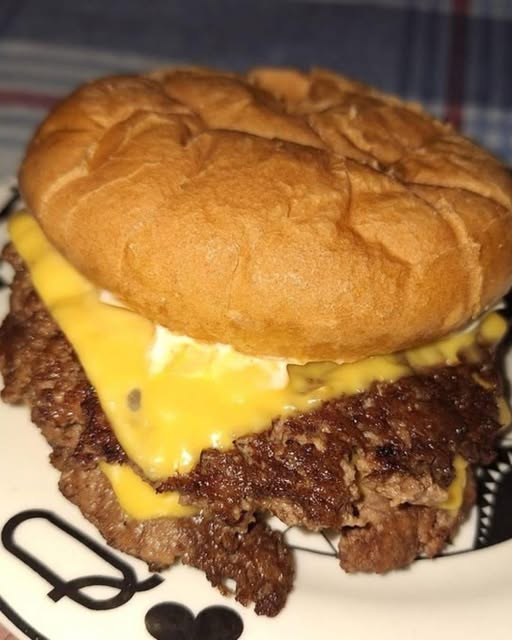
Sometimes people check for mold as a sign of spoilage. But mold is not always visible on meat products. Even if you don’t see fuzzy spots, harmful microorganisms may already be present.
Additionally, some bacteria produce toxins that remain in the food even after cooking. These toxins can cause symptoms quickly, sometimes within just a few hours after eating.
That means your “fine-looking” burger could still make you sick.
5. The Texture and Smell Test Isn’t Reliable
You might think: “I’ll just smell it first.” While a sour or unpleasant smell is a clear warning sign, the absence of a bad smell doesn’t guarantee safety.
Spoiled meat can sometimes appear normal, especially in the early stages of bacterial growth. A burger may still look juicy and taste slightly off but not terrible. By the time you notice obvious signs of spoilage, the contamination may already be advanced.
Trusting your senses alone is not a reliable food safety strategy.
6. Storage Time Matters
Even when refrigerated properly, cooked burgers have a limited shelf life. Generally:
-
Cooked burgers stored in the refrigerator should be eaten within 3–4 days.
-
Raw ground beef should be cooked or frozen within 1–2 days.
If your burger has been sitting in the fridge longer than recommended, it’s safer to discard it. Freezing can extend shelf life, but once thawed, food must be handled carefully and consumed promptly.
7. Food Safety Saves Money in the Long Run
Some people eat old food to avoid wasting money. While that intention makes sense, getting sick can cost much more in medical bills, missed workdays, and discomfort.
Your health is far more valuable than the price of a single burger.
Instead of risking illness, consider:
-
Planning meals carefully
-
Storing leftovers in airtight containers
-
Labeling food with dates
-
Freezing extra portions
These habits reduce waste without compromising safety.
8. Who Is Most at Risk?
Certain groups should be especially cautious about consuming old or questionable food:
-
Pregnant women
-
Young children
-
Elderly individuals
-
People with chronic illnesses
-
Anyone with a weakened immune system
For these individuals, even mild food contamination can become serious. If you’re cooking for family members in these categories, it’s even more important to follow safe food handling practices.
9. How to Safely Handle Burgers
To reduce risk and keep your meals safe:
-
Refrigerate leftovers within two hours.
-
Store burgers at or below 40°F (4°C).
-
Reheat leftovers to an internal temperature of 165°F (74°C).
-
Discard food that has been left out overnight.
-
When in doubt, throw it out.
These simple steps significantly reduce your risk of foodborne illness.
Final Thoughts: Is It Worth the Risk?