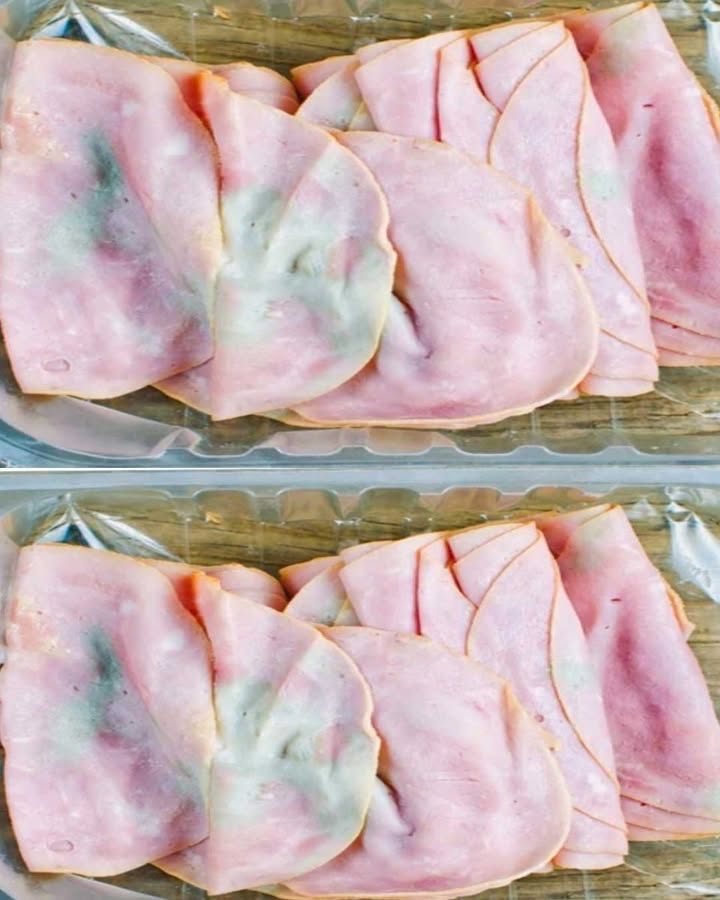
t’s understandable to want to avoid throwing food away. Groceries are expensive, and no one likes waste. But there’s a difference between reducing waste and risking your health.
A helpful rule to remember:
When in doubt, throw it out.
The cost of replacing deli meat is far less than the potential cost of medical treatment or lost time from illness.
How to Store Deli Meat Properly
To prevent this situation in the future, follow these storage tips:
Keep It Cold
Store deli meat at or below 40°F (4°C). Use a refrigerator thermometer to check.
Seal It Tightly
After opening, reseal the package tightly or transfer slices to an airtight container.
Use It Quickly
Consume within 3–5 days after opening.
Avoid Cross-Contamination
Keep deli meat separate from raw foods.
If you notice condensation inside the container, wipe it dry and re-seal properly.
Can Cooking Save It?
Some people believe cooking spoiled deli meat makes it safe. Unfortunately, this is not reliable.
While heat can kill certain bacteria, it does not always eliminate toxins that bacteria produce. If the meat is already spoiled, cooking it won’t reverse that.
A Simple Safety Test
If you’re unsure, ask yourself:
-
Would I serve this to a guest?
-
Would I feel comfortable giving this to a child?
If the answer is no, it’s better not to eat it yourself either.
Final Recommendation